
How can unexpected friendships improve mental health in older adults? Exploring the power of companionship in aging.
- Laconda James
- Jan 1, 2025
- 3 min read

Companionship is a lifeline for older adults, offering essential emotional support and reducing the risks associated with social isolation. As we age, many face loneliness, leading to issues such as anxiety and depression. Unexpected friendships can play a key role in enhancing mental health, bringing joy and companionship back into their lives. In this blog post, we'll examine how these friendships form and their profound benefits on the mental health of seniors.
The Importance of Social Connections
Social connections are vital for maintaining well-being, especially as we grow older. Research shows that about 40% of older adults experience loneliness, which significantly increases the likelihood of depression. Having fulfilling relationships helps mitigate these feelings, providing a sense of belonging and purpose.
For example, a study published in the American Journal of Geriatric Psychiatry found that seniors with strong social ties are 50% less likely to experience feelings of isolation compared to those without connections. Sharing thoughts and emotions with friends is therapeutic, reducing stress and helping seniors face their physical and emotional challenges with greater resilience.
Unexpected Friendships: A New Lease on Life
Unexpected friendships can emerge in everyday situations. Whether at community centers, during exercise classes, or between neighbors during casual walks, these interactions can evolve into meaningful relationships. Such friendships often begin with small gestures, like exchanging smiles or engaging in light conversations.
For instance, a group of seniors who meet regularly to garden together can turn acquaintances into supportive companions. This simple act can boost their mood and encourage them to explore new activities, such as pottery, painting, or even joining book clubs. Having someone by their side fosters motivation and a shared sense of joy in activity, significantly improving their mental outlook.
The Impact of Companionship on Mental Health
The evidence supporting the benefits of companionship in mental health is compelling. Findings indicate that loneliness not only affects mental well-being but also poses risks to physical health, elevating the likelihood of heart disease by nearly 30%. Older adults who actively engage in social activities often report lower levels of anxiety and depression, showcasing the protective effects of having friends.
Moreover, friendships help maintain optimism in life. When friends encourage seniors to participate in healthy habits, such as regular exercise or cooking nutritious meals together, they can promote overall well-being. A study found that seniors with close friends are 20% more likely to partake in physical activity, leading to better physical and mental health outcomes.
Building Companionships
While some may find building friendships challenging later in life, there are numerous avenues to cultivate companionship. Joining local clubs, attending community events, or volunteering are excellent ways to meet new people. Technology has also made it easier to connect, with online platforms offering virtual communities for older adults to bond over shared interests.
Many organizations dedicated to elderly care provide programs to nurture friendships. Participating in such initiatives enables seniors to connect with others looking for companionship, fostering a sense of community and shared support.
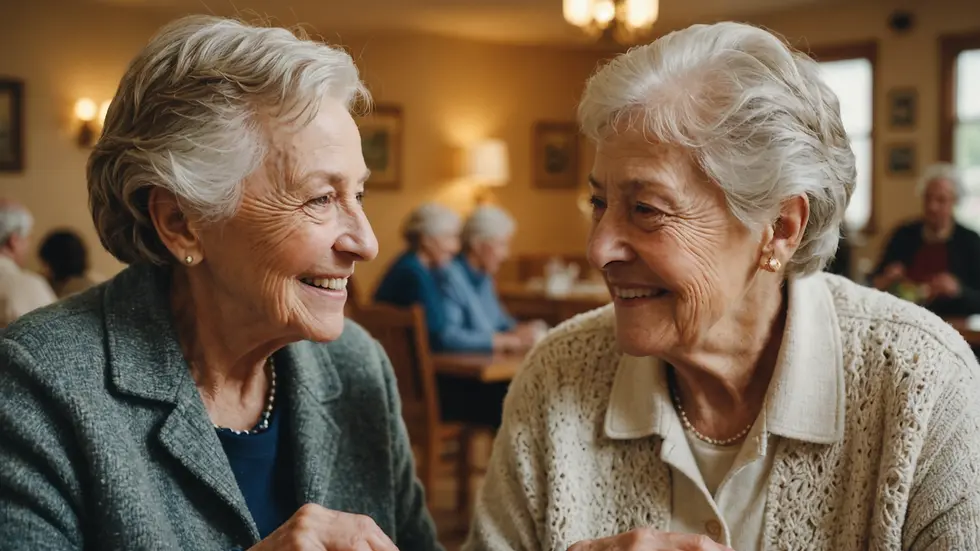
Nurturing Connections for a Brighter Future
Unexpected friendships can significantly enhance the lives of older adults, boosting their mental health and overall happiness. By creating and maintaining social connections, seniors can combat loneliness and find renewed purpose in life. Let’s encourage the elders in our lives to seek out new friendships, reminding them that connecting with others is a lifelong journey, one that can lead to profound improvements in their mental well-being.


Comments